
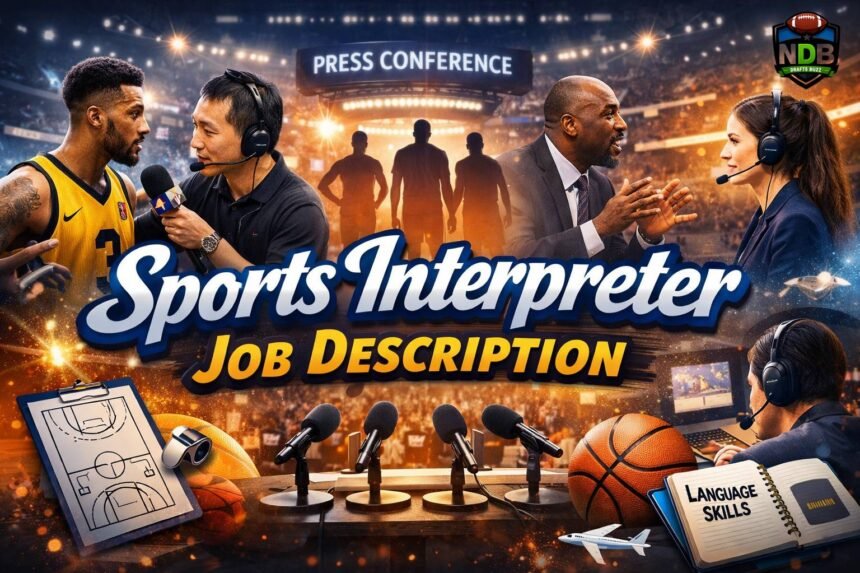
In today’s global sports industry, communication plays a critical role in performance, media relations, fan engagement, and athlete development. With professional leagues like the NBA, FIBA, EuroLeague, Olympics, and international basketball tournaments becoming increasingly multicultural, the demand for skilled sports interpreters is rising rapidly.
A sports interpreter acts as the linguistic bridge between athletes, coaches, media, medical teams, management, and fans. From translating live post-game interviews to facilitating locker-room communication and assisting international players with daily interactions, sports interpreters play a vital role behind the scenes.
This in-depth guide on sports interpreter job description covers everything you need to know including responsibilities, qualifications, skills, salary expectations, career pathways, and how to become a professional sports interpreter, especially in basketball and elite-level sports.
What Is a Sports Interpreter?
A sports interpreter is a professional language expert who provides real-time spoken translation between athletes, coaching staff, media, officials, and organizations. Unlike traditional interpreters, sports interpreters must deeply understand:
- Sports terminology
- Game strategies
- Media dynamics
- Athlete psychology
- Cultural nuances
Their role goes far beyond simple translation. They act as communication facilitators, cultural mediators, and trusted advisors within professional sports organizations.
In basketball, sports interpreters often work with international NBA players, FIBA athletes, coaches, and international media outlets, ensuring smooth communication on and off the court.
Sports Interpreter Job Description
A sports interpreter job description includes a wide range of responsibilities that require linguistic expertise, cultural intelligence, emotional awareness, and quick decision-making.
Core Job Purpose
To facilitate seamless communication between multilingual participants in sports environments, including athletes, coaching staff, management, medical teams, media, and fans.
Primary Responsibilities of a Sports Interpreter
1. Live Interpretation During Games & Practices
Sports interpreters provide real-time interpretation during:
- Team meetings
- Practice sessions
- Tactical discussions
- On-court instructions
- Training drills
In basketball, interpreters often stand courtside or inside locker rooms, ensuring international players fully understand coaching strategies.
2. Press Conferences & Media Interviews
One of the most visible duties of a sports interpreter is live translation during media interactions, including:
- Post-game interviews
- Pre-match press conferences
- Media day sessions
- Broadcast interviews
Accuracy, speed, emotional tone, and clarity are essential, especially when translating sensitive statements.
3. Player Support & Cultural Mediation
Sports interpreters assist international athletes with:
- Daily communication
- Cultural adaptation
- Team integration
- Media relations
- Lifestyle guidance
They often serve as trusted companions, helping players adjust to new countries, languages, and cultural norms.
4. Document Translation
Interpreters also translate:
- Contracts
- Training manuals
- Team guidelines
- Medical instructions
- Marketing materials
- Internal communications
This ensures players fully understand legal and professional obligations.
5. Travel & Event Support
Sports interpreters travel with teams to:
- Away games
- International tournaments
- Training camps
- Global exhibitions
They handle logistics communication, customs interactions, medical appointments, and emergency situations.
Sports Interpreter Job Duties in Basketball
Basketball is among the largest employers of sports interpreters due to its highly international player base.
NBA & Professional Basketball Interpreter Tasks
- Translating coaching instructions
- Interpreting during film sessions
- Assisting international players in interviews
- Supporting medical consultations
- Translating scouting reports
- Handling media communications
Basketball interpreters must understand:
- Offensive and defensive strategies
- Basketball-specific terminology
- Locker-room culture
- Coaching philosophy
Skills Required for a Sports Interpreter
To succeed, professionals must master a combination of linguistic, interpersonal, technical, and psychological skills.
1. Advanced Language Fluency
- Native-level fluency in at least two languages
- Excellent grammar, vocabulary, and pronunciation
- Ability to handle slang, idioms, and sports jargon
2. Sports Knowledge
Understanding the sport is mandatory, not optional. Interpreters must be fluent in:
- Basketball rules
- Game tactics
- Coaching terminology
- Player positions
- Training methods
Without sports knowledge, interpretation accuracy declines significantly.
3. Real-Time Processing Ability
Live sports environments require:
- Instant comprehension
- Immediate response
- Rapid sentence restructuring
Delays can disrupt communication and performance.
4. Emotional Intelligence
Interpreters manage:
- Emotional athletes
- High-pressure interviews
- Conflict resolution
- Stressful situations
Emotional intelligence ensures calm, respectful communication.
5. Confidentiality & Professional Ethics
Sports interpreters frequently hear:
- Tactical secrets
- Contract negotiations
- Medical details
Maintaining strict confidentiality is critical.
Education & Qualifications for Sports Interpreters
Minimum Educational Requirements
- Bachelor’s degree in:
- Translation
- Interpretation
- Linguistics
- Languages
- Sports communication
Recommended Certifications
- Professional interpreter certifications
- Conference interpreting training
- Sports communication courses
Specialized Training
- Sports terminology programs
- Media interpreting workshops
- Broadcast interpreting training
How to Become a Sports Interpreter (Step-by-Step Guide)
Step 1: Master Two or More Languages
Achieve near-native fluency in:
- English
- Spanish
- French
- Mandarin
- Japanese
- Korean
- Portuguese
These are high-demand languages in basketball and global sports.
Step 2: Earn a Translation or Interpretation Degree
Formal education builds:
- Linguistic foundation
- Ethical standards
- Professional discipline
Step 3: Gain Sports Knowledge
- Study basketball rules
- Watch professional games
- Learn sports terminology
- Follow coaching strategies
Step 4: Get Professional Interpreter Training
Enroll in:
- Conference interpreting programs
- Simultaneous interpretation training
- Media interpreting courses
Step 5: Build Practical Experience
Start with:
- Local teams
- Amateur leagues
- College sports
- Youth tournaments
Step 6: Network in the Sports Industry
Connect with:
- Sports agents
- Team managers
- Media professionals
- Athletic organizations
Salary of a Sports Interpreter
Global Salary Overview
| Level | Average Annual Salary |
|---|---|
| Entry-Level | $30,000 – $45,000 |
| Mid-Level | $50,000 – $80,000 |
| Elite Professional | $90,000 – $150,000+ |
NBA Interpreter Salaries
NBA interpreters can earn:
- $75,000 – $120,000+ annually
- Additional bonuses for playoffs & international tours
Freelance Sports Interpreter Rates
- $50 – $200 per hour
- Event-based contracts can reach $3,000+ per tournament
Work Environment of Sports Interpreters
Sports interpreters work in:
- Stadiums
- Arenas
- Training facilities
- Media studios
- Press rooms
- Hotels
- Airports
- Medical clinics
Schedules often include:
- Nights
- Weekends
- Holidays
- Extensive travel
Advantages of Becoming a Sports Interpreter
- Global travel opportunities
- High earning potential
- Working with elite athletes
- Exposure to international cultures
- Exciting and dynamic environment
- Strong career growth
Challenges of Sports Interpreting
- High-pressure live environments
- Long hours
- Constant travel
- Mental fatigue
- Emotional stress
- Public scrutiny
Sports Interpreter vs Sports Translator
| Feature | Sports Interpreter | Sports Translator |
|---|---|---|
| Mode | Spoken | Written |
| Speed | Real-time | Flexible |
| Environment | Live events | Office/remote |
| Key Skill | Instant speech | Writing accuracy |
Many professionals perform both roles.
Career Path & Growth Opportunities
Sports interpreters can progress into:
- Senior team interpreter
- Sports communications manager
- Media relations director
- International player liaison
- Broadcasting language consultant
Future Demand for Sports Interpreters
Global sports expansion, international recruitment, and growing media coverage are driving massive demand for:
- Basketball interpreters
- Olympic sports interpreters
- Broadcast interpreters
- Multilingual sports professionals
The career outlook remains extremely strong.
Frequently Asked Questions (FAQs)
1: What is a sports interpreter job description?
A sports interpreter job description includes translating spoken communication between athletes, coaches, media, and staff during games, training, interviews, and official events, ensuring accurate and culturally appropriate communication.
2: How much does a sports interpreter earn?
Sports interpreters typically earn between $30,000 to $150,000 annually, depending on experience, sport level, and employer, with NBA interpreters earning significantly higher salaries.
3: Do NBA teams hire full-time interpreters?
Yes, many NBA teams employ full-time interpreters to support international players, manage media communication, and assist coaching staff during training and games.
4: What qualifications are required for a sports interpreter job?
A bachelor’s degree in translation, interpretation, or linguistics, strong sports knowledge, professional training, and near-native fluency in multiple languages are essential qualifications.
5: Is sports interpreting a good career?
Yes, sports interpreting offers excellent pay, global travel, career growth, and the opportunity to work in elite professional sports environments, making it a highly rewarding career.
Conclusion
The sports interpreter job description reflects a profession that blends language mastery, sports expertise, cultural awareness, and emotional intelligence. With professional leagues becoming increasingly global, skilled sports interpreters are now indispensable.
From NBA arenas to Olympic stadiums, sports interpreters help athletes perform at their best by ensuring seamless communication. For individuals passionate about languages and sports, this career offers exceptional growth, excitement, and fulfillment.