

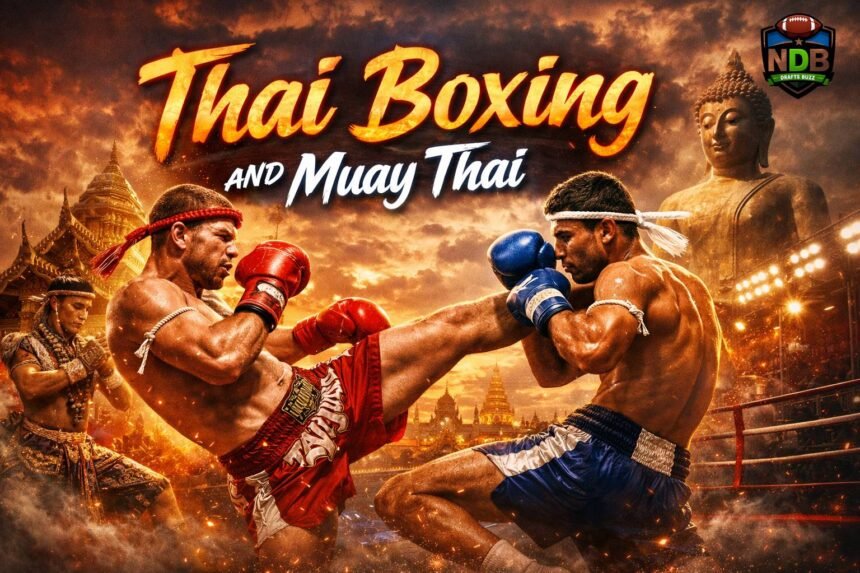
Muay Thai, often referred to in English as Thai Boxing, is a centuries-old martial art originating from Thailand. Known as the “Art of Eight Limbs,” Muay Thai utilizes punches, kicks, elbows, and knees, making it one of the most versatile and effective striking arts in the world. While it is often compared to Western boxing or kickboxing, Muay Thai has a unique style and deep cultural roots that distinguish it from other combat sports.
In modern times, Muay Thai has grown beyond Thailand’s borders and gained global recognition as a competitive sport, fitness regimen, and self-defense discipline. From professional fighting arenas to gyms worldwide, the influence of Muay Thai continues to expand, attracting athletes and enthusiasts eager to experience its physical and mental benefits.
Origins and Historical Background
Muay Thai traces its origins back several centuries and was initially developed as a form of battlefield combat by the Thai military. Soldiers trained in Muay Thai techniques to defend themselves and enhance their agility, strength, and combat readiness. Over time, these techniques evolved into a structured martial art with codified rules, rituals, and ceremonial practices.
Central to Muay Thai culture is the wai khru ram muay, a pre-fight dance performed to honor trainers, ancestors, and the sport itself. This ritual exemplifies the respect, discipline, and cultural heritage that is intrinsic to Muay Thai, emphasizing that the sport is more than just physical competition; it is a symbol of Thai identity and tradition.
Muay Thai became formalized as a sport during the 20th century, with established rules, weight classes, and competitive formats. Today, it is not only practiced in Thailand but also celebrated worldwide as a professional combat sport and a rigorous training discipline.
Techniques and Fighting Style
Muay Thai is renowned for its emphasis on using all eight points of contact: fists, elbows, knees, and shins. This is what gives the martial art its title as the “Art of Eight Limbs.” Fighters often combine these strikes with clinch work, sweeps, and defensive maneuvers to dominate opponents.
Some of the key techniques include:
- Punches: Traditional boxing punches, including jabs, crosses, hooks, and uppercuts.
- Elbow strikes: Short-range, powerful strikes that can cause significant damage.
- Kicks: Roundhouse kicks targeting the legs, body, and head, known for their speed and impact.
- Knee strikes: Delivered from both standing and clinching positions, effective for close combat.
- Clinch work: Controlling opponents in close range, allowing for strikes, sweeps, and takedowns.
The combination of these techniques creates a highly strategic and physically demanding combat style. Fighters must develop strength, speed, timing, and endurance to excel in both training and competitive bouts.
Muay Thai vs Other Combat Sports
Muay Thai is often compared to boxing and kickboxing, but it has distinct characteristics that set it apart. Here’s a breakdown of the differences:
| Feature | Muay Thai | Boxing |
|---|---|---|
| Strikes | Punches, kicks, knees, elbows | Punches only |
| Clinch | Integral to the sport | Limited or not allowed |
| Stance | Square, stable | Side-on, movement-focused |
| Defensive Techniques | Blocks, parries, evasions | Slips, rolls, parries |
| Equipment | Gloves, shin guards, sometimes headgear | Gloves only |
Unlike Western boxing, Muay Thai allows fighters to use the full range of their limbs, making it a more versatile striking system. Kickboxing is closer to Muay Thai but often restricts elbow strikes and limits clinching techniques, giving Muay Thai a unique edge in both competition and self-defense.
Physical and Mental Benefits
Practicing Muay Thai offers numerous physical benefits. It is an intense cardiovascular workout that improves stamina, strength, flexibility, and coordination. Training often involves bag work, pad drills, sparring, and conditioning exercises that enhance overall fitness.
Mentally, Muay Thai instills discipline, focus, and resilience. The structured nature of training, coupled with the respect for coaches and traditions, encourages practitioners to develop perseverance and confidence. It is also an effective form of stress relief, allowing individuals to channel energy constructively and build mental toughness.
Many people also turn to Muay Thai for self-defense. Its combination of strikes, clinches, and defensive tactics equips practitioners with the skills to handle real-life physical confrontations effectively.
Global Popularity and Training Opportunities
Muay Thai has experienced a surge in global popularity over the past few decades. Today, gyms and training centers around the world offer classes for beginners, professional fighters, and fitness enthusiasts alike. Competitions, such as international tournaments and professional fight leagues, showcase the skill and athleticism of Muay Thai practitioners on a global stage.
For beginners, starting with foundational techniques, fitness training, and safety protocols is essential. Experienced instructors guide learners through proper form, timing, and strategy to ensure effective and safe practice. Many gyms also incorporate cross-training with other martial arts or conditioning exercises to enhance overall performance.
Common Misconceptions
There are several misconceptions about Muay Thai and Thai Boxing that often confuse newcomers:
- They are the same sport: “Thai Boxing” is simply the English term for Muay Thai. There is no separate martial art called Thai Boxing.
- It’s purely about fighting: While Muay Thai is a combat sport, it is also a form of exercise, a cultural practice, and a discipline that develops mental and physical well-being.
- It’s only for men or professional fighters: Muay Thai is practiced by people of all ages and genders. Classes are designed to accommodate beginners, fitness enthusiasts, and competitive athletes alike.
Clarifying these points can help newcomers better understand and appreciate the art of Muay Thai.
Conclusion
Muay Thai, or Thai Boxing, is a comprehensive martial art that combines history, culture, and athleticism. Its unique techniques, global recognition, and physical and mental benefits make it a compelling practice for anyone interested in martial arts or fitness. Whether as a competitive sport, a self-defense method, or a rigorous workout, Muay Thai provides a holistic experience that challenges both the body and the mind.
For businesses or individuals looking to connect with professionals and opportunities in the world of martial arts and sports, you can hire NFL Drafts Buzz for Worldwide Business Listing & Discovery Platform Services.